

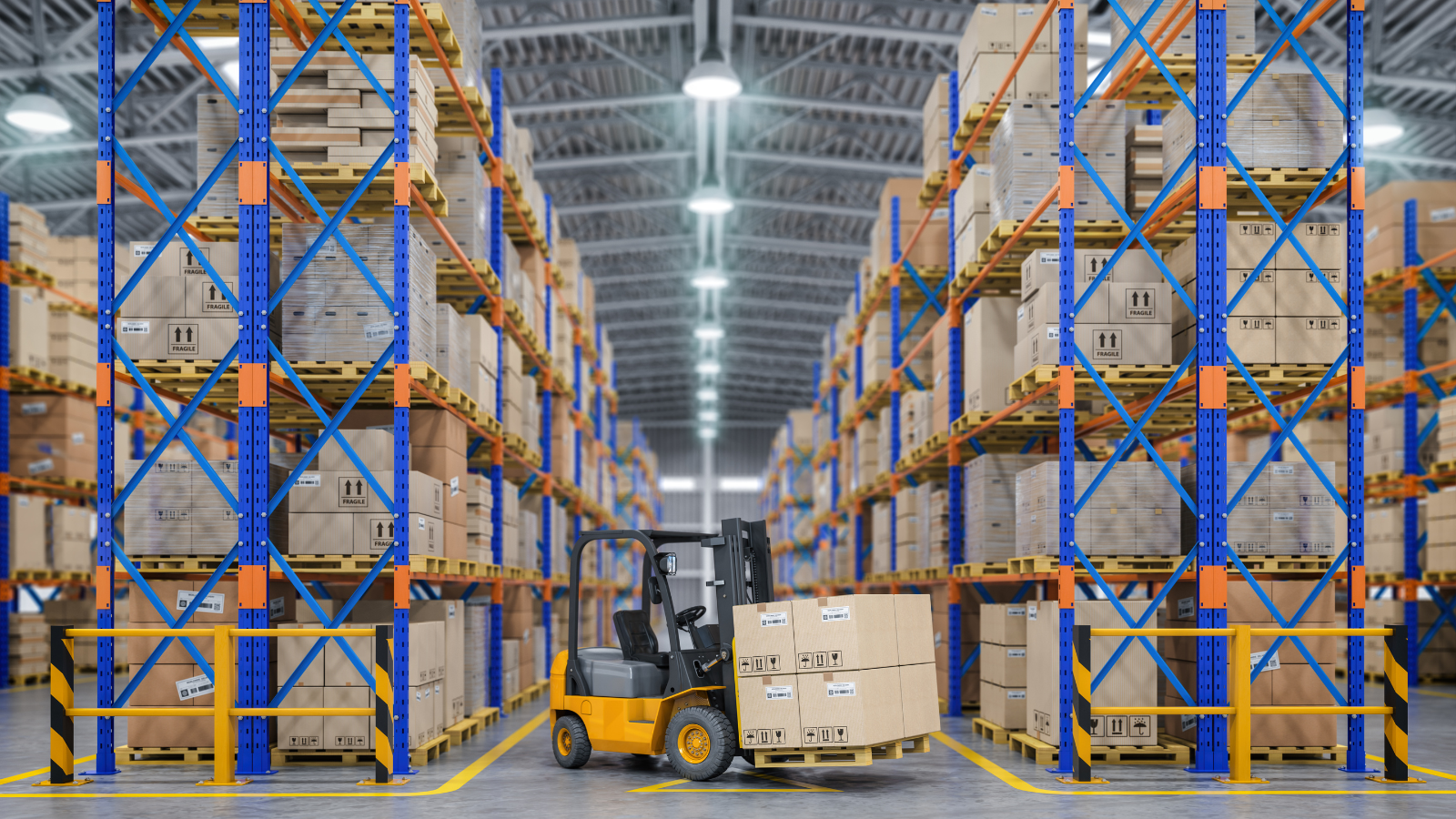
Project Challenge
The principal challenge confronting the warehousing sector in Asia is the imperative to maintain resilient and cost-efficient supply chains within a rapidly evolving macroeconomic landscape. Warehouses serve as vital nodes in these supply chains, yet the industry faces mounting pressures from several directions:
- Ageing Workforce: By 2060, Asia is projected to account for 61% of the global population aged 65 and above, making it increasingly difficult to attract and retain personnel for manual warehouse operations.
- Rising Labour Costs: Labour expenses across Asia are on the rise, significantly affecting the cost of running warehouses.
- Geopolitical Tensions and Tariffs: Heightened tariffs and the decoupling of the global economy are prompting companies to diversify supply chains and optimise their networks in countries less affected by these changes.
- Manual Processes: Many warehousing activities—such as receiving, picking, putaway, and packing—remain largely manual, which impedes operational efficiency and scalability.
Project Outcomes
The following are the key outcomes delivered by the project:
- Digital Transformation of Warehouses: The project aims to transition traditional, manual warehouses into digitally enabled, automated facilities by adopting technologies such as warehouse execution systems (WES), edge computing, smart labels, and advanced connectivity (e.g., private 5G).
- Operational Resilience: Warehouses become more resilient to disruptions caused by ageing workforce, rising labour costs, and geopolitical tensions, through automation and real-time data integration.
- Enhanced Efficiency and Accuracy: Implementation of automation and smart technologies leads to improved throughput, space utilisation, inventory accuracy, and overall operational efficiency.
- Phased Technology Adoption: The project delivers a roadmap for gradual technology integration, starting with pilot programmes, followed by medium-term system integration, and culminating in full-scale digital transformation.
- Workforce Upskilling: Staff gain hands-on experience with new technologies, supporting smoother organisational change and digital literacy.
- Strategic Recommendations: The project provides guidance on financial planning, system interoperability, and cybersecurity resilience for successful technology adoption.
Project Benefits
The project delivers the following key benefits:
- Cost Reduction: Automation and digitalisation help lower labour and operational costs, making warehouses more cost-effective.
- Scalability and Adaptability: Digitally enabled warehouses can quickly adapt to changing business volumes and market conditions, supporting sustainable growth.
- Improved Data Visibility: Real-time data from smart labels and sensors enhances inventory tracking, condition monitoring, and decision-making.
- Government Support: The project leverages available government incentives, such as grants, subsidies, and preferential financing, to ease the financial burden of technology adoption.
- Competitive Advantage: Companies gain a strategic edge by optimising supply chains, improving service levels, and responding swiftly to global economic shifts.
- Sustainability: Automation supports more sustainable operations by reducing waste, improving resource utilisation, and enabling better environmental monitoring.
By Toh Wei Kwan, Lim Bing Qian, and Dr Choo Wee Tong
Please refer to the full article here.

Hey, chat with me!